All posts by hkarim@floorsblvd.com

Top Benefits of Laminate Flooring for Your Home

If you’ve landed on this page, you probably want to know a thing or two about laminate floor. Well, to put it simply, laminate floors are a synthetic floor covering. These mainly consist of three main layers – a particle board wood base, an image layer, and a clear wear layer on top. Looking for an answer to ‘Can you wax laminate flooring?’ We’ll definitely talk about that, but before that let’s find out a bit more about the popular flooring option.

Laminate floors are typically used in living areas, dining halls, bedrooms, and hallways. In fact, it can be used anywhere and everywhere except for areas which witness excessive moisture. These are easy to maintain and are an economical flooring option – great for people not looking to splurge loads on the flooring renovation.

The best thing about laminate flooring is that it never requires wet mopping! Yes, you read that right! A simple broom/ dry mop can take care of most of the dust and dirt. For deep cleaning, you can use a hard surface mopping tool that makes use of a cleaning fluid instead of water. To add to it, laminate floors are quite resistant to wear and tear and thus are great for homes with children and pets. To know more about laminate flooring, get in touch with our flooring services in Dallas.

Installation of laminate floors through our flooring services in Dallas

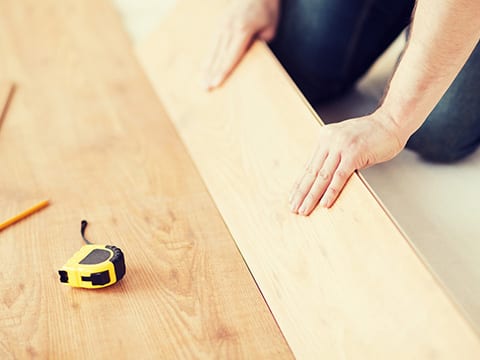
Laminate floors are no different from solid hardwood floors and come with a modified tongue-and-groove style of joining boards. In fact, installing these is so easy, some would take up the challenge themselves, though that’s not a wise move.

Laminate flooring is typically installed as a floating floor – one that doesn’t need the more cumbersome nail-dow installation process.

  • First, we roll out the foam underlayment and tape it in place. This ensures a smooth surface. Sometimes, the underlayment comes attached with the laminate planks, thus doing away with the need for a separate layer.
  • Depending on the type of laminate you’ve chosen through our flooring services in Dallas, we either snap or glue the planks together. That said, we prefer the snap-together method, which is more commonly referred to as the fold-and-lock method, mainly because of its ease and precision.
  • Unlike the traditional tongue and groove joints, we angle the boards to each other and fold one down until it lies flat. This tightens the bond between the adjoining laminate boards, prevents water seepage, and ensures a durable flooring installation.

Can you wax laminate flooring? Let’s find out!

Why do people want to know about whether or not they can wax laminate floors? Well, traditionally, waxing has been associated with wooden floors to enhance their appeal and shine. It also protected the surface from any and all forms of wear and tear. This is the reason perhaps that people still wonder ‘Can you wax laminate flooring?’

If truth be told, waxing the surface of the floor helps in three ways.

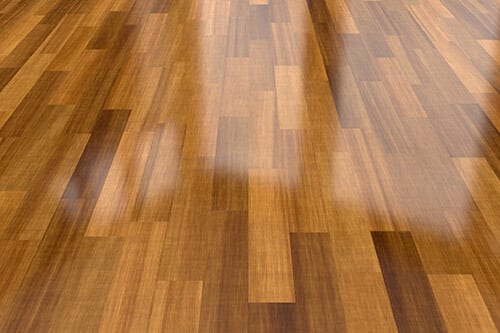
  • It can provide the laminate floors with a glossy finish – thereby adding a touch of elegance to your home.
  • Some waxes even offer an extra level of protection against scuffs and scratches.
  • Certain wax products are even marketed as water repellents, which is what makes them appealing all the more, especially if you have the laminate flooring installed in areas such as the kitchen and basement.

All that being said, while waxing does come across as a tempting idea, being a notable provider of flooring services in Dallas, we at Floors Blvd strongly advise against waxing laminate floors. Here are a few reasons why.

  • Laminate floors come with a factory-fitted protective finish that doesn’t quite need waxing. In fact, doing so may actually be counterproductive, by leaving a residue on top, making it prone to smudging and even slippery.
  • If not chosen well, waxing products can damage the protective wear layer of laminate floors. Additionally, wax can trap dirt and debris, making the laminate surface harder to clean.
  • Waxed laminate surface/ flooring requires more maintenance, mostly because it has to be periodically peeled off and reapplied, which in itself is a big hassle.

Frequently Asked Questions

Can laminate flooring be used in high-traffic areas

Yes, laminate floors can always be used in high-traffic areas. At Floors Blvd, we have laminate flooring options that are durable and ready to withstand heavy foot traffic. The top wear layer protects it from all kinds of daily scratches and dents, making it an excellent choice for busy areas such as offices, living rooms, hallways, and more. Moreover, it is fairly easy to clean and maintain.

How can I make my laminate floors shine without waxing?

In order to laminate floors shine without waxing, start by cleaning them regularly with a damp mop or even a mild laminate floor cleaner. Avoid using harsh chemicals or other abrasive tools. Remember to never ask for ‘can you wax laminate flooring’ because waxing can damage the surface and leave a sticky residue, thereby spoiling the laminate flooring.

What products should I avoid using on laminate floors?

We at Floors Blvd have been providing top-notch flooring services in Dallas for over a decade, and so, we would recommend you not to use harsh chemicals, abrasive cleaners, or wax-based products on laminate floors. These tend to damage the top layer of the laminate flooring and even lead to a dull finish. You should also stay away from steam mops, as excessive water can seep into seams and lead to warping.
Modern remodeling ideas: Opting for luxury vinyl plank flooring

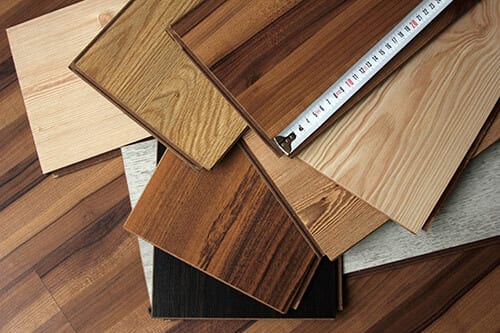
There was a time when sheet vinyl was the most popular choice for flooring renovations – right behind tiles, especially in areas where moisture and stain resistance were the key factors. So, they’ve been particularly handy in areas such as laundry rooms, kitchen, bathrooms, and more. This type of vinyl flooring is made of a thin layer of design, covered with a clear, protective layer on top. But there are some minor problems with incorporating vinyl sheets into your remodeling ideas, in the sense that it is prone to scratching and tearing, and even minor imperfection in the subfloor would lead to formation of humps and dips on the flooring above. This has made people opt for the more modern luxury vinyl plank floors. These are mostly designed to mimic the appearance of wood, ceramic, and stone flooring, which makes it quite appealing, at the same time being well within one’s budget.

Unlike hardwood floors which are made from a single piece of wood, luxury vinyl planks are made up of 6-8 structural layers – that includes foam, cork, PVC layer, WPC or SPC core, a fiber glass layer, a print layer, and finally a wear layer that gives it protection against wear and tear, as well as some protection from UV rays. Needless to say that the level of engineering that goes into the making of these, decides the quality of the planks. At Floors Blvd, we have a wide range of best luxury vinyl plank flooring brands to suit your budget and home renovation needs.

Benefits of choosing luxury vinyl planks for home flooring needs

The market for luxury vinyl plank flooring has taken off mainly because of its many benefits, all of which together make it a better choice over similarly priced other flooring options. Here’s a quick rundown of all things positive that make luxury vinyl plank floors one of the best flooring options for your remodeling ideas.

  • The luxury vinyl plank floors have a simple click-lock mechanism that makes it fairly easy to install. This is particularly handy as opposed to having a single large sheet of vinyl. In fact, if one or two planks are damaged, you just need to change them, instead of being forced to change the entire flooring.
  • All luxury vinyl plank floors are water-resistant and are known to hold up well in crowded spots/ places that see high foot traffic. So, opting for the best luxury vinyl plank flooring brands is of great value in homes with children and pets running around.
  • Luxury vinyl planks are a great buy because of the cushion and insulation it provides. Unlike some of the cheap vinyl options, the luxury vinyl planks won’t curl up over time, and because of its thickness, it provides some protection to the home’s subfloor as well.
  • Modern luxury vinyl plank floors are a great option for those looking for a good flooring without breaking the bank! These aren’t as expensive as hardwood floors and once installed, require very minimal upkeep.

Why choose Floors Blvd for luxury vinyl plank flooring?

Choosing the right flooring for your home can be a daunting task, but it doesn’t have to be so! We at Floors Blvd make it easier for homeowners to not only lay hands on the best products but also turn the job of renovation process into a hassle-free experience. Here are three reasons why you should work with us.

  • Expert guidance on home renovation: At Floors Blvd, we understand how remodeling ideas can vary from one homeowner to another, and therefore, our expert team is here to guide you from the initial discussion right till the installation and beyond. We make sure that you choose the right luxury vinyl planks for the flooring, and it complements the look and feel of your home.
  • Access to the best luxury vinyl plank flooring brands: At Floors Blvd, we offer a curated selection of luxury vinyl planks for flooring. Thus, you always get the absolute best, durable, and stylish vinyl planks for your home. At Floors Blvd, we only house the absolute best products – products that stand the test of time and are functional.
  • Professional installation services: Our professional team at Floors Blvd is dedicated to providing the best flooring installation. We make sure that the luxury vinyl planks you’ve chosen for your home flooring are installed right, without causing much disruption to your daily life. Our attention to detail and commitment to excellence ensures a smooth and hassle-free experience all through.

Frequently asked questions

Is there a difference between vinyl plank flooring and luxury vinyl planks?

While both vinyl plank floors and luxury vinyl plank flooring are resilient and water-resistant, the remodeling ideas between the two is quality and aesthetics. As the name implies, luxury vinyl planks go a step further in design and durability. It has a thicker wear layer, thus offering more protection from daily scratches and wear. So, while normal vinyl planks offer a simple, practical solution, the luxury option is a better version of the same.

Are luxury vinyl planks worth the money?

If you’re looking for a flooring option that blends beauty with practicality, you should definitely invest in the best luxury vinyl plank flooring brands, because they are worth the extra cost. They come in a wide variety of designs, textures, and styles, so that you never have to compromise on the looks, while also being extremely functional. In short, the quality and the visual appeal makes it a worthwhile investment.

What is an engineered vinyl plank?

Engineered vinyl planks are sometimes referred to as EVPs and are a subset of the luxury vinyl plank floors. It combines the durability and water resistance of vinyl with the stability of engineered wood comes with multiple layers, including a rigid core made of stone or wood composite, a vinyl top layer, and a protective top layer. It is highly durable and suitable for almost all types of environments.

Floors Blvd’s guide to laminate vs hardwood flooring

Laminate vs Hardwood Flooring: Which is Right for Your Home?

Looking to spruce up your home but not sure which flooring to choose? Wondering about the differences between the two popular flooring options – laminate flooring vs hardwood flooring? Well, we at Floors Blvd, have your back!

Solid wood flooring is surely regarded as one of the best flooring options available for modern homes, but laminate flooring is considered as an inexpensive way to simulate the look of hardwood floors. The 3/4-inch-thick hardwood wooden floors are made from a single piece of wood and is indeed a quality material, but you should not rule out laminate floors straightaway. In fact, both hardwood and laminate floors have their own set of positives, making them two of the most popular flooring options.

Laminate vs hardwood flooring: Major similarities

  • Laminate floors come in different forms, and some of those mimic hardwood floors. These look just like real hardwood options with similar wood grain, patterns, and colors. There was a time when laminate floors used to look very artificial, but that has much changed over time.
  • Since both laminate and hardwood floors look quite the same at times, they both look very elegant and prove effective in heightening the resale value of homes. That said, hardwood floors generally offer a better ROI than laminate options.
  • Wondering about laminate v hardwood flooring – as to which will serve you better? Well, as far as installation goes, both laminate and hardwood floors are installed as floating floors over a foam underlayment or can be glued/ nailed to the subfloor.

Laminate vs hardwood floor: What makes them different?

Solid hardwood is made up of a single piece of hardwood and are usually 3/4 inches thick and come with tongue-and-groove edges that interlock together. These either come prefinished or unfinished, though the former is more common.

On the other hand, laminate floors have a core layer of fiberboard made of wood byproducts. Over this, a special layer is added which has the design. The design layer is topped by a clear layer which protects it against the wear.

Although quite popular in kitchens, solid hardwood floors should not be used in wet areas. Hardwood floors can be installed over radiant heating systems, but doing so may also cause the boards to shrink or the joints to open up. Whereas laminate floors are quite heat and water resistant – so they are better at handling heat and water than hardwood floors.

For those looking for some info on laminate vs hardwood flooring, the latter can last a lifetime and even more. It can be refinished or resanded depending on the wear. As for laminate flooring, it is moderately good at resistance to damage and can last for about 15 years. If and when the flooring boards are ruined, they cannot be sanded but have to be replaced individually.

Hardwood is a premium flooring option and thus homes with solid hardwood floors offer a good resale value. Laminate floors are more visible in mid-range houses, though if they are in good condition, they too can fetch you a good deal, though not as much as hardwood floors.

As the name implies, hardwood floors are true to their name and are hard underfoot. These naturally feel warmer than some of the other flooring options available in the market. As for laminate floors, they feel somewhat soft underfoot. In fact, if the subfloor isn’t perfectly flat, the laminate floor may even flex at times.

Frequently Asked Questions

What is the price difference between laminate and hardwood flooring?

When comparing laminate v hardwood floor, the price difference can be quite notable. Generally, laminate floor options tend to be more pocket-friendly than typical hardwood floors. In fact, people go for laminate floors mostly because of its affordability and ease of installation. So, the choice really depends on your budget, the aesthetics you are looking for, and the long-term plan you have for the home.

Which type of flooring is easier to maintain, laminate or hardwood?

Laminate flooring is easier to maintain, mostly because it is resistant to scratches, moisture, and stains. It requires only regular sweeping and some occasional mopping. On the other hand, while hardwood flooring is a more natural option, it does need more care. So, if you have a busy household or probably need a low maintenance option, we’ll suggest opting for laminate flooring.

Laminate flooring vs hardwood flooring – Which one is better for high-traffic areas?

When it comes to high-traffic areas, laminate flooring may often seem like a better choice. The fact that laminate floors are quite durable, resistant to scratches, and are easy to maintain, makes them perfect for busy spaces. Hardwood floors are also very durable and look amazing, but can easily get scratched, thus needing more care.

Why Is Tile Flooring Ideal For Your Kitchen Space?

The kitchen is literally defined as the heart of the home! It is not only the busiest space in your home, but also the place where you probably spend most of your time, the other being your bedroom perhaps. Kitchen is the place where you cook, at times catch up with your friends and family, entertain guests, and a lot more. In short, it is a multi-functional space, and hence, it requires a tough flooring to handle all the wear and tear of everyday life. This is where kitchen tile flooring comes in.

Though your interior designer may push you to opt for the more modern wood or concrete flooring options, when it comes to kitchen flooring, we firmly believe that tile floors are the best. Here are a few considerations that will help you see why we at Floors Blvd tell customers to go for tile flooring for kitchen.

  • The kitchen sure doesn’t get as wet as bathrooms, but it still sees its fair share of spills. So, you need a flooring that offers a reasonable level of water resiance. When going through different tile floor options, find out how porous the tile is, and whether it is glazed or not.
  • It is true that shiny and glazed floor tiles for kitchen look attractive, but you can opt for something even more safe! Instead of going just by the looks, we’d recommend choosing tiles that have more texture and grip.
  • If you have a hefty budget, you can surely go for the natural tile materials, such as marble. But, if you’re looking for a more pocket-friendly alternative, you can check out the ceramic tiles. If you stretch your budget a little more, you can even settle for the porcelain tiles. These are quite durable and are easy to maintain.

The two most popular floor tiles for kitchen

When it comes to tiles for your kitchen, it usually comes down to two popular options – porcelain and ceramic, so let’s deep dive into both the options, to give you all a more detailed idea about these.

Ceramic/ natural tiles are of course more porous than their porcelain counterpart but can be sealed to make it more water resistant. That said, ceramic tiles are not as durable as porcelain, though they are quite easy to clean and maintain. However, you will need to seal them every 5-6 years to keep the moisture away and help them stay as good as new.

On the other hand, porcelain is a kind of ceramic that is heated to extreme temperatures. The process makes it hard and quite durable – thereby serving well as kitchen tile flooring. They don’t need to be sealed, don’t stain easily, and are fairly easy to clean as well. Simply mop them with a flat mop to remove any surface dirt. Want to know what’s the best thing about porcelain tiles? Well, that has got to be the fact that dirt and moisture cannot penetrate glazed porcelain tiles.

Porcelain floor tiles for kitchen are available in various designs/ textures that often mimic natural materials such as wood and marble flooring. Most homeowners prefer this look because this heightens the look and feel of the space. In fact, modern porcelain tiles available in stone and wood finishes look so realistic that your guests won’t realize that these are tiles. These are also available in matte finishes.

Choosing Floors Blvd for the best kitchen tile flooring

When it comes to choosing the ideal floor tiles for kitchen, we at Floors Blvd stand out as the premier choice for homeowners as well as property developers. Our expertise, wide selection, and commitment to customer satisfaction, makes us the go-to choice for all kinds of flooring needs. Here are three reasons why you should connect with Floors Blvd.

Unmatched variety: At Floors Blvd, we offer an extensive range of high-quality tile options, including ceramic, porcelain, and natural stone. So, you’ll always find the best tile flooring to match your kitchen’s aesthetic and needs.

Expert guidance and installation: Our team of experienced professionals will help you make the right decision. From selecting the right type of tile to providing expert installation services, we ensure a seamless experience. We will make sure that your kitchen flooring not only looks attractive but is also installed right.

Competitive pricing: At Floors Blvd, we believe that quality materials should also be well within people’s reach! That’s why we offer the best kitchen tile flooring at industry-best prices. Additionally, our team is always ready to assist you with any queries and concerns, so as to make the renovation a smooth and satisfying experience.

Frequently Asked Questions

How durable is tile flooring for kitchen use?

Tile flooring proves quite durable, particularly when used in the kitchen. It can not only withstand heavy foot traffic but also resist stains and handle spills effectively. Both ceramic and porcelain tiles are known for their strength and longevity. When proper care is taken and maintained well, floor tiles for kitchen can last for decades.

How do I choose between glazed and unglazed tiles for the kitchen?

Choosing between glazed and unglazed tiles for the kitchen depends entirely on your priorities. Glazed tiles look shiny and have an attractive finish. Whereas, the unglazed tiles offer a more natural and textured look. The latter offers better grip. At Floors Blvd, we recommend using glazed tiles for a sleek appearance, however, you can also opt for unglazed tiles, if you want a more practical, slip-resistant kitchen floor.

How long does tile flooring typically last in a kitchen environment?

Kitchen tile flooring typically lasts between 20-30 years if maintained well. Ceramic and porcelain tiles are particularly long-lasting, especially because of their resistance to wear, moisture, and stains. Cleaning them regularly, sealing it if and when needed, and prompt repair of any damage, would further expand their lifespan. All this can turn tile flooring into a functional part of your home.

Advantages of choosing laminate flooring

Laminate flooring is clearly one of the most popular flooring options, and for a good reason! It is known for being exceptional in its day-to-day usage, quite durable, and offers great value for money. The fact that it comes in many styles and options, is what makes it quite popular among homeowners and business owners. To add to it all, laminate flooring proves to be a great option, if you’re particularly looking for a quick and hassle-free floor renovation.

Of course, we will go deep into laminate floors and how to make laminate floors shine, but before that we do need to address a common misconception! There’s a common myth that laminate floors are made up of plastic, but that couldn’t be further from the truth. Contrary to popular belief, laminate floors are made out of melamine resin and fiberboard materials. Back in the day, laminate floors looked tacky and had a plastic feel, thus the misconception, but technology and innovative manufacturing have made modern laminate floors look like hardwood or stone floors, minus the hefty price tag.

Some of the advantages of laminate flooring include the following.

Durability and longevity: Laminate floors are designed to handle heavy foot traffic and withstand daily wear and tear. Being made out of high-density fiberboard at the core with a protective wear layer on top, laminate floors boast a long lifespan.
Aesthetic appeal: One standout feature of laminate floors is the fact that they can be designed to look like other flooring options. Modern printing and embossing technologies make laminate floors with remarkably realistic textures a reality.
Easy maintenance: Maintaining laminate floors is a breeze! Thanks to its non-porous surface, it is better at handling spills and messes than some of the other flooring options. It can be wiped with a damp cloth and a mild cleaning solution.

Can you laminate over laminate?

Laminate flooring is an excellent choice for almost all flooring purposes and goes well with almost any decor, but one question that we at Floors Blvd keep coming across is – Can you laminate over laminate? Well, what do you think? We can never recommend this due to two main reasons.

Installing a laminate flooring over an existing laminate floor will increase the floor height. And though it doesn’t sound much of a problem, in reality, it will cause you problems. Installing a laminate flooring over another will cause all baseboards, doors and door jambs to be raised. If the same is done in the kitchen, you may even find trouble fitting in kitchen appliances under fixed-height countertops.

Laminate flooring is a floating floor, so having two laminate floors one over the other means that you will have to deal with one or both floors expanding or sinking – a serious problem if and when it happens.

How to shine laminate floors?

We’ve already discussed what makes laminate floors the best flooring option for these days, and now it’s time we told you how to keep it looking brand new even years later. But, to get into it, you should first understand how laminate floors lose their shine.

  • A lot of floor problems arise due to improper cleaning methods. According to experts, around 70 percent of the time, the flooring surface loses its sheen because of strong cleaners. Such strong chemicals can rub off the protective top layer, thereby making the laminate look dull.
  • Floors are busy areas and according to some estimates, floors that see more foot traffic end up losing its shine around 40 percent quicker. All the walking wears off the top, glossy layer.
  • Around 1 in 3 cases, the laminate flooring gets damaged due to water. This typically happens in moist environments or when spills are not cleaned up swiftly. Water may seep into the inside layers causing them to swell up, thus losing the shine.
  • Too much light and UV rays can also turn the laminate dull. In fact, according to some estimates, laminate floors getting lots of sun during daytime, can get about 20 percent dull each year.

So, how to make laminate floors shine? Well, keeping the laminate floors in top condition is no rocket science!

  • The best way to clean laminated water is to use distilled water, as it leaves no mineral marks.
  • Vinegar is known to be a natural germ-killer. In fact, distilled white vinegar cuts through grease and oily dirt without leaving any residue. Moreover, it’s very gentle on the surface.
  • You can even use rubbing alcohol with other natural cleaners for laminate floors. Rubbing alcohol dries faster and thus, there’s almost no chances of water damage.
  • If you have none of the above things available and are still wondering how to shine laminate floors, you can use a small quantity of liquid dish soap. Just a bit of the dish soap can get rid of even the toughest stains on the laminate floor.

Popularity of wooden floors or hardwood flooring: Why it makes sense

Frequently Asked Questions

Can laminate flooring be installed in bathrooms and kitchens?

Yes, you can always go for a laminate flooring for spaces like bathroom and kitchen, but it’s necessary for you to choose the ones that are designed to withstand moisture. At Floors Blvd, we recommend using moisture-resistant laminate to lower the chances of warping and damage. Proper installation and sealing are also necessary to maintain the floor’s integrity in high-moisture areas.

What is the best way to keep the laminate flooring shiny through the years?

Wondering how to make laminate floors shine? Well, to keep it looking new, you must regularly sweep or vacuum to remove dirt. You can also use a damp mop with a gentle/ natural floor cleaner and avoid using excess water at all times. Place mats at entryways to reduce dirt. At Floors Blvd, we recommend avoiding abrasive floor cleaners/ waxes, as they tend to do more harm than good.

Can you laminate over an existing laminate flooring?

For those wondering – ‘Can you laminate over laminate?’ yes, you can, but it’s not recommended. This is mainly because, for this to work, the underlying laminate floor must be in good condition, flat, and attached well. Any unevenness or damage could affect the stability of the new laminate flooring that you’re planning on installing. At Floors Blvd, we recommend connecting with our team of specialists to determine if an additional underlayment is needed.

Tips to choosing the right Marble and Hardwood flooring for your bathroom

The bathroom is a water-heavy environment – a place where water and moisture reign supreme. So, when you eventually decide to opt for a bathroom makeover, you should go for flooring that not only looks and feels good but is also functional and can withstand the bathroom environment. When choosing the right flooring option, make sure that the flooring can handle moisture and humidity, isn’t slippery when wet, and can be cleaned/ maintained at ease. Your bathroom should be comfortable and safe, no matter what choices you make. This brings us to the question whether you should go for marble and hardwood flooring in bathroom, and if yes, what are the ifs and buts that you should follow.

Using marble flooring in bathroom: Does it make sense?

Marble is a metamorphic rock – one that has been in use since time immemorial and has also been used in mansions and castles for hundreds of years. But in spite of all this, homeowners are always somewhat skeptical about installing marble on bathroom floors! Why? Well, mostly because they fear that water would ruin the floor, though in reality, that couldn’t be further from the truth. In fact, marble is a durable flooring option, which when treated properly, can stand up to anything a modern bathroom can throw at it. Needless to say, that it also ups the look of the bathroom, thereby boosting the value of the place. However, there are a few things that you must keep in mind when opting for a marble flooring in bathroom.

  • Marble loos great in the bathroom, not just as flooring, but also as shower walls and countertops. It gives the room a bright and expensive feel. And the best part is that marble comes in different sizes and shapes.
  • If you really want to keep your bathroom looking brand new for years to come, seal the marble at the time of installation, and then every 6-12 months thereafter.
  • Low-gloss, brushed, and honed marble can often make water stains and dried toothpaste glops disappear – until of course you have time to clean them. How? Well, marble’s naturally occurring veining gives it a beautiful look that turns people’s attention away from these little mishaps.

Benefits of installing hardwood flooring in bathroom

Hardwood flooring is very durable and long-lasting. It has a beautiful natural look that is prized by many homeowners/ property owners. While some hardwood flooring options may not serve you well in the bathroom, there are others that would work wonders. That said, hardwood flooring in bathroom will require a higher level of maintenance.

Here are some quick advantages of using hardwood as flooring in bathroom.

  • In the witer months, hardwood floors are much more comfortable than some of the other flooring options such as ceramic tiles. The natural/ earth tone colors make the room feel more inviting.
  • Hardwood adds a natural element to the bathroom, where each plank of wood is unique. This makes the bathroom floor look premium and creates a design continuity with other rooms.
  • If maintained well, hardwood flooring in bathroom can last more than 25 years. If and when they appear scratched, they can be sanded and refinished to bring them to their original self.

Frequently Asked Questions

How do I maintain marble flooring in a bathroom?

At Floors Blvd, we recommend cleaning marble flooring in bathroom with a pH-neutral cleaner and a soft cloth. This prevents scratches and etching. Avoid using acidic/ abrasive cleaners as they tend to damage the marble flooring. Seal the marble periodically to protect the flooring from stains and moisture. Check for any signs of damage from time to time and address them promptly.

How do I protect hardwood flooring in a bathroom?

To protect hardwood flooring in bathroom, we at Floors Blvd recommend sealing the wood with a water-resistant finish. You can also use bath rugs/ mats to absorb some of the water. Make sure that the bathroom has enough ventilation to lower the humidity/ moisture in the space. You can even use a dehumidifier if needed.

Should I seal marble or hardwood flooring and how often should it be done?

Yes, both hardwood and marble flooring should be sealed when installed in the bathroom. This protects them from the excessive moisture as well as from stains. While marble flooring should be sealed every 12 months, hardwood flooring should be sealed every 3 years or based on the condition. Sealing these floors helps maintain the appearance and up their longevity.

What Is Engineered Wood Flooring & Popularity of wooden floors or hardwood flooring

Thinking of sprucing up your home? Why not opt for wood flooring? Well, if you’ve come thus far, you are probably confused between whether to go for engineered wood flooring or settle for the more trusted hardwood flooring in Dallas! Well, to tell you frankly, both hardwood and engineered wood flooring options are equally matched in terms of aesthetics, look premium, and are way better than synthetic options, such as the laminate or vinyl flooring products.

Every year, we at Floors Blvd, come across hundreds of homeowners who opt for wooden floors for their place, and that’s not just because of the looks and feel. In fact, that’s chiefly because wooden floors tend to heighten every home’s value by 3-5 percent! So, whether you are planning to have your dream home built from scratch or wish to prepare the place to sell it off, opting for a wooden flooring surely helps. In fact, according to some studies, around 80 percent of homeowners choose to go for these.

Opting for engineered wood and hardwood flooring in Dallas

To understand the subtle differences between both hardwood and engineered flooring options, you’d first need to understand what is engineered wood flooring and how it differs from the more traditional hardwood flooring options. So, as you may have guessed already, hardwood floors are made up of solid wood, crafted out of walnut, oak, or maple. Thus, these floors usually have a long lifespan, and can be sanded and refinished a few times over. On the other hand, the engineered wood flooring option looks quite like hardwood flooring, but instead of being crafted from a single plank of wood, it’s made of a plywood core with an added thin layer of hardwood panel on top. So, engineered wood flooring is a more pocket-friendly/ affordable option, though it can’t be refinished to extend its lifespan.

Here are some common differences between the two.

  • Appearance: Solid hardwood floors have tighter seams between boards. They are available in different colors, and in pre-finished and unfinished panels, thereby offering more personalization. On the other hand, engineered flooring options are almost always sold prefinished, and thus have fewer color and style options.
  • Maintenance: Solid hardwood floors are quite easy to clean. They mostly need some sweeping and vacuuming. You can at times mop it with a special wood cleaner to clear the hard to remove stains. In fact, it can be sanded down and refinished to bring it back to its original glory. Engineered wood is also quite the same in terms of cleaning and maintenance, but cannot be refinished. Luckily, it is easy to install and remove, so the planks can be changed.
  • Lifespan: Hardwood flooring in Dallas typically has a longer lifespan than most other flooring options available. They can last anywhere from 30-60 years depending on the maintenance and care. In fact, you’d even come across houses which have hardwood floors from way back in the 1850s. As for engineered wood, though it can’t last as long as hardwood floors, it can still last for about 25 or more years. Though they cannot be sanded down and refinished, they can be replaced easily.
  • Heat & water: When it comes to the environment, hardwood is more sensitive, and so, it is not recommended in places where there’s too much moisture or humidity, as such conditions may lead to swelling and warping. On the other hand, while engineered wood is not waterproof, it still handles humid conditions better. It is less prone to warping and swelling.
  • Resale value: When it comes to selling your home, hardwood flooring is considered a premium add-on, and thus, significantly ups the resale value of the place. As for engineered wood flooring, though it looks quite like hardwood floors, it may not up the value as much.

Expert flooring solutions you can count on!

Floors Blvd has been in business for over a decade, and we are dedicated to providing the best flooring solutions for your home and office needs. We offer a wide range of hardwood and engineered wood products, thereby making sure that there’s something for everyone’s style and budget needs. Our extensive collection includes various finishes, textures, and colors to meet the decor of your room.

That is not all! We at Floors Blvd have a team of installation experts – skilled and experienced, thereby ensuring a seamless installation of the flooring boards. Not sure what is engineered wood flooring? No problem! Our talented team will guide you all through. So, whether you decide to go for the timeless hardwood flooring options or settle for the modern versatility of engineered wood, we have you covered.

Frequently asked questions

Can I install wood flooring myself or do I need to hire professionals?

This is a job that is best left to our team of professionals. While you’d find tons of DIY videos online, we’d recommend not to try it, as it may ruin the flooring and may lead to additional costs. Feel free to connect with us at Floors Blvd, for a flawless and durable wooden flooring installation. Hiring professionals ups the longevity and appearance of the wood flooring you choose.

Is the installation method different for engineered wood and hardwood flooring in Dallas?

That’s right! The installation method for both engineered wood flooring and hardwood floors are a little different. While the latter needs nail-down or staple-down installation – a labor intensive method, the engineered wood flooring option needs a glue-down, nail-down, or floating installation. At Floors Blvd, our team is adept at all this and more, so you can rest easy knowing that the job is in good hands.

How much is the price difference between hardwood and engineered wood flooring types?

There’s a significant price difference between engineered wood and hardwood flooring in Dallas. Traditional hardwood flooring is a little expensive, because of its solid wood construction and durability. On the other hand, engineered wood flooring is more affordable – offering almost similar aesthetics as hardwood floors. At Floors Blvd, we offer tons of different wood flooring options to fit your design and budget needs.

Follow Us:

How to Remove Paint from Hardwood Floor Efficiently

How to Get Paint Off Hardwood Floors Without Damaging the Wood

Using paint to update a home is common. You can easily add a dash of vibrance to your home just by applying a fresh coat of paint. However, it can spill, drip, and splatter. If you don’t know how to remove paint from hardwood floors, you might end up with a discolored floor and a frowning face.

You can easily remove paint from hardwood floors, and it usually qualifies as a DIY task. If you have trouble removing paint from your wooden floors, contact local flooring stores. They can offer you professional help.

Before Paint Removal: Testing the Paint


You need to take this step even if you feel confused about laminate vs. hardwood floors. If builders constructed it before 1978, then chances are that the paint will contain lead. If such is the case, it’s best to consult a lead removal specialist. If you built your home after 1978, you don’t need this step.

First, check that the paint is lead-free. Then, clear the area by moving furniture and other items. This will help you avoid damaging them.

After this, you must test the paint and check if it’s water-based or oil-based before you can think of how to get paint off wood floors.

To do that, put on a pair of gloves, take a cotton ball, and dip it in isopropyl alcohol also known as rubbing alcohol.

Use the cotton ball to gently buff a spot on the paint for about 10 seconds. After buffing, check if there is any residue left on the cotton ball.

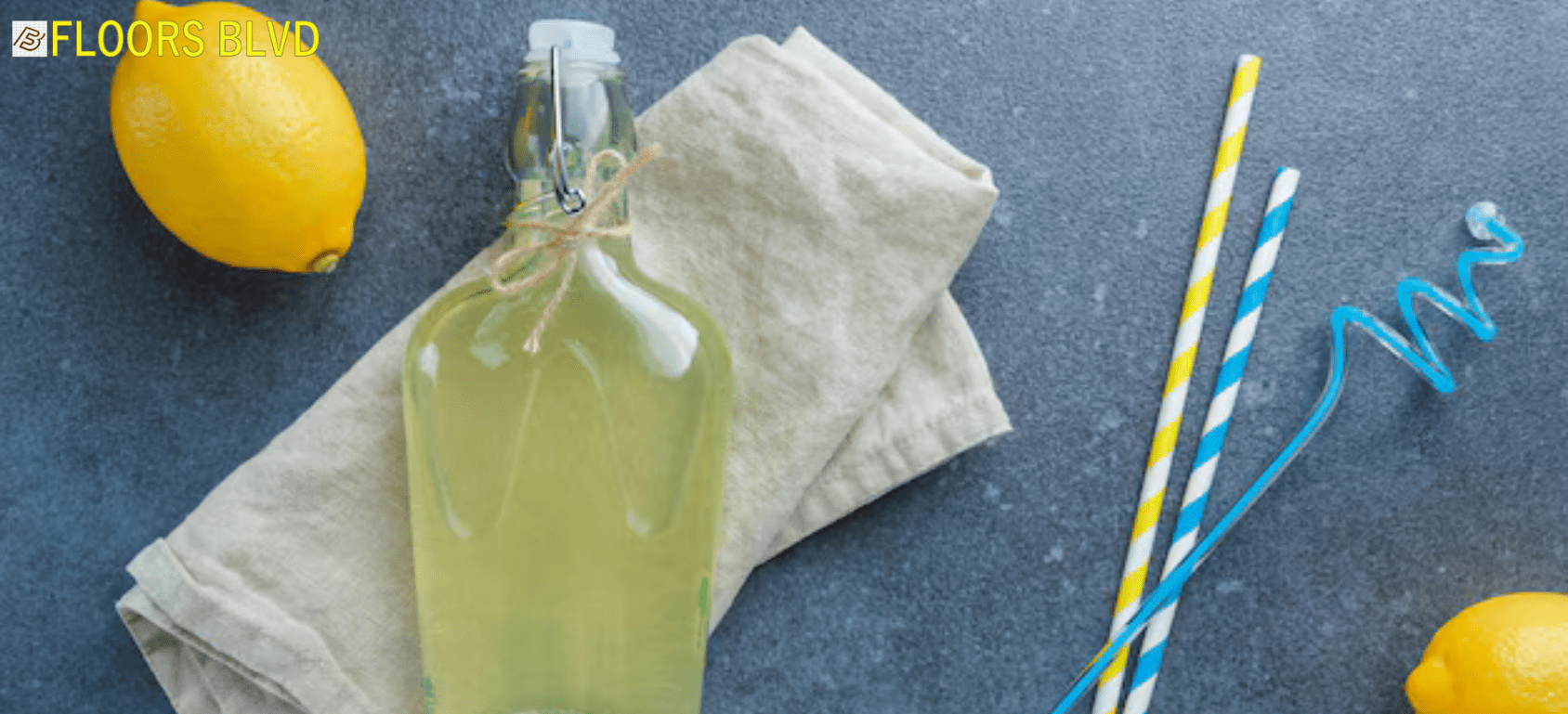
If there is paint on the cotton ball, it is water-based. You should remove it using gentle methods. Try using dish soap or a mix of lemon juice and isopropyl alcohol.

If there is no paint on the cotton ball, the paint is oil-based. You should use a strong paint remover. Options include a heat gun, hairdryer, or paint thinner to remove paint from wood floors.

Dish Soap to Remove Paint From Floor


You can use liquid dish soap and water mixture to get paint off hardwood floors.

Step 1: Mix dish soap and water

Water-based paint can be removed using a mixture of dish soap and water. Depending on the amount of paint, you may need a small amount of mixture or a whole bucket. Mix as much as you need to form suds.

Step 2: Clean hardwood floors

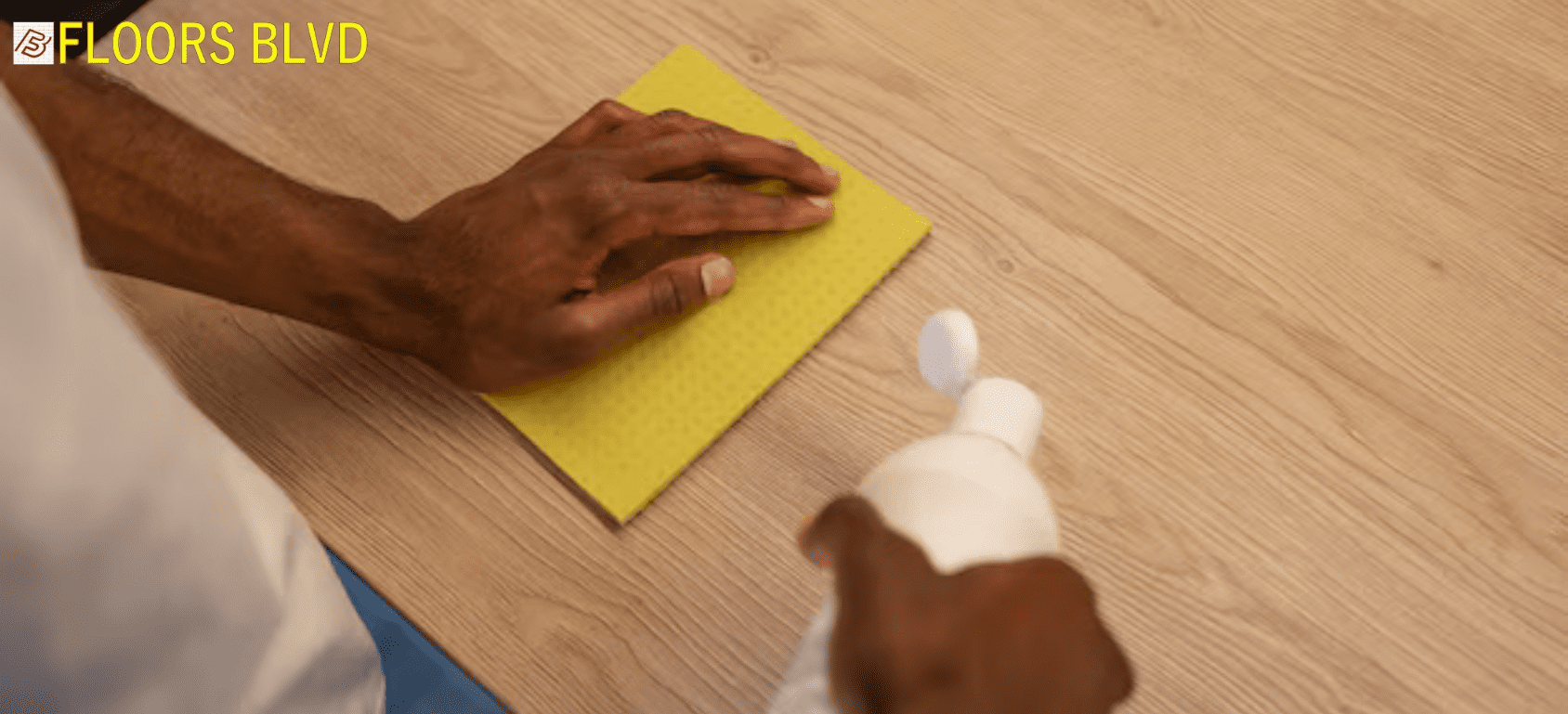
Dip a microfiber cloth in the mixture and scrub the hardwood floors in the direction of the wood grain. Use a dry cloth to wipe away loosened paint.

Step 3: Use a putty knife

If the paint is loosening but won’t come off the wood floor easily, use a putty knife to scrape away the paint. Just do not use too much pressure or you might damage the floor. Scrub, scrape, and wipe the floor until you remove all the paint.

Use Isopropyl Alcohol and Lemon Juice to Remove Paint From Hardwood Floor

Step 1: Mix isopropyl alcohol and lemon juice

Start by mixing isopropyl alcohol and lemon juice. Select an appropriately sized container for the amount of mixture needed. Now, mix three parts of isopropyl alcohol and one part of lemon juice. Keep in mind that this solution is much stronger than the soap mixture so you won’t need as much.

Step 2: Loosen the paint with the solution

Next, take a microfiber cloth and dip it in the cleaning solution. Then, place it on the painted area for a few minutes. Having multiple cloths is a good idea so that one area can soak while you scrub the other.

Step 3: Scrape paint with a putty knife

After soaking the paint for about five minutes, now it’s time to remove it. Use the damp cloth and putty knife to scrape away the paint. You can also use a nylon-bristled scrub brush to help remove the paint. Continue the process until the floor is paint-free.

Step 4: Rinse hardwood floors

Once you free your floor of paint, now it’s time to rinse it to remove any trace of isopropyl alcohol and lemon juice. Dip a cloth in clean water, then wring it out until damp. Wipe the floor with this damp cloth. Finally, use a dry microfiber cloth to buff and dry the floor.

Use Heat to Get Paint Off Wood Floors

Step 1: Apply heat and scrape paint

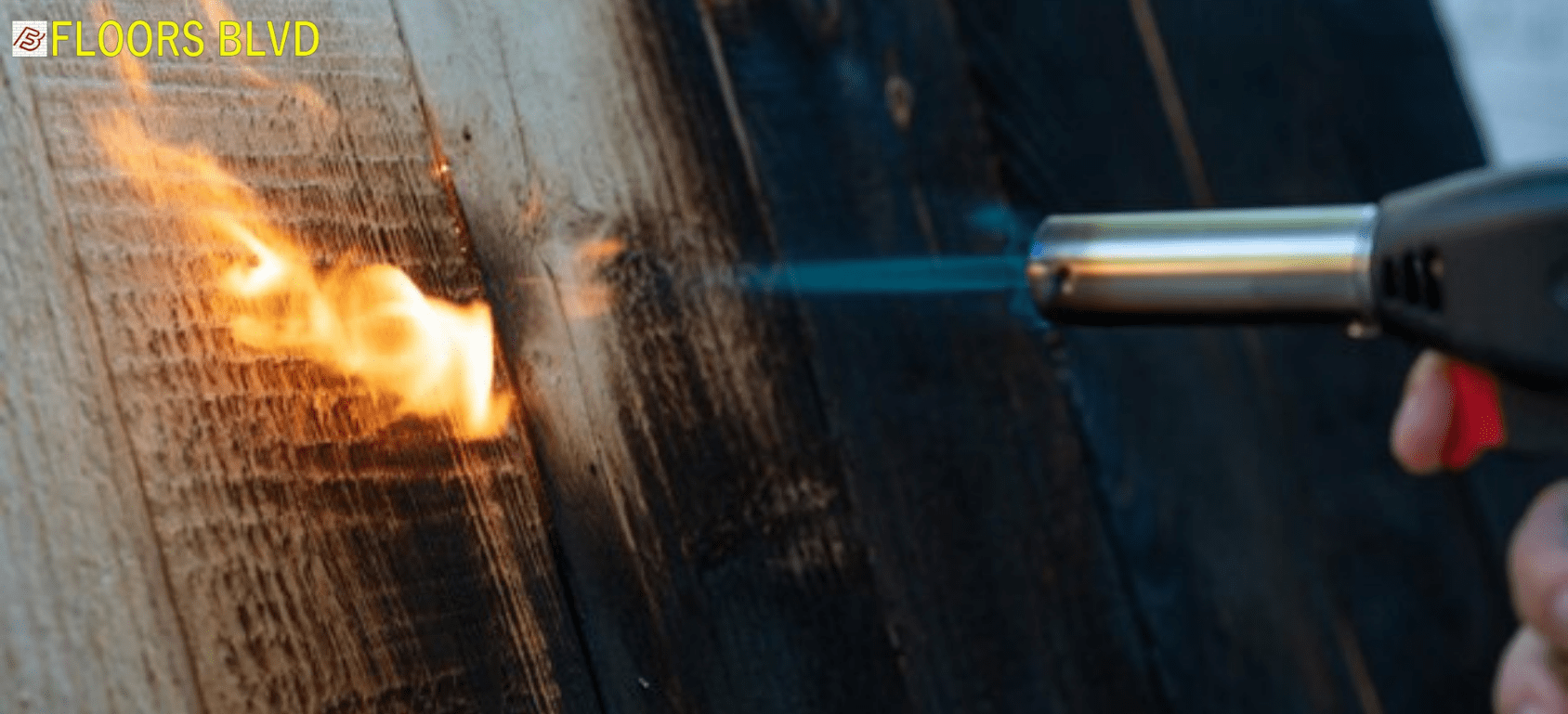
You can use heat to remove water or oil-based paint, but be careful not to damage the floor. You can use a heat gun to soften the paint and scrape it off with a plastic putty knife.

If a heat gun is too harsh, you can use a handheld hair dryer. It takes a bit longer for the paint to soften but the chances of damaging the floor lessens.

Step 2: Scrub the floors

Using heat and a putty knife should remove most of the paint. If it does not, and small bits are stuck to the hardwood floor, use dish soap and water mixture to remove water-based paint. If the paint is oil-based, use a paint stripper and scrub the floor softly to remove the remaining paint.

Conclusion

If you are thinking about how to get paint off wood floors, given above are some easy yet effective techniques. You can also approach tile flooring stores near me to get professional assistance.

Frequently Asked Questions For How To Get Paint Off Wood Floors

Will vinegar remove paint from the hardwood floor?

The acetic acid in the paint can help remove paint from hardwood floors. However, it may also damage the finish. It can dull and etch the surface.

Does nail polish remover stain hardwood?

Yes, nail polish remover will eat through your finish.

Will baking soda harm hardwood?

Yes, baking soda will only harm or deform the hardwood since it is too harsh on the wood sealants.

We offer quality flooring and top-rated paints. Call us now at (469) 535-9246 for more information.

Laminate Vs Hardwood Flooring: Understanding the Differences

When deciding between laminate and hardwood floors, many factors come into play. Both options offer distinct advantages and challenges. Homeowners choose based on durability, appearance, cost, and maintenance requirements.

Durability of Laminate and Hardwood Floors

Laminate flooring is known for its exceptional durability. It consists of several layers, including a tough wear layer that resists scratches, dents, and stains. This makes it an ideal choice for high-traffic areas or homes with pets and children. Hardwood floors, while durable, are susceptible to scratches and require refinishing periodically to maintain their aesthetic appeal.

Aesthetic Appeal of Hardwood Compared to Laminate

Hardwood floors offer a timeless beauty that can enhance the value of a home. Each plank has unique grains and variations, giving a natural look that many homeowners desire. Laminate flooring, on the other hand, replicates the look of wood with a photographic layer that can closely mimic hardwood but without the same texture and depth.

Cost Considerations in Choosing Between Laminate and Hardwood

Cost is a significant factor when comparing laminate and hardwood floors. Laminate is generally more affordable, both in terms of material and installation costs. Hardwood floors are a more significant investment. The cost can vary widely depending on the type of wood and the complexity of the installation process.

Maintenance Requirements for Laminate and Hardwood Floors

Maintaining laminate floors is relatively straightforward. These floors typically require regular sweeping and occasional mopping with a damp cloth. Hardwood floors demand more meticulous care, including special cleaning agents and periodic refinishing to restore their original luster.

Installation Process of Laminate Vs Hardwood Flooring

The installation of laminate flooring is a more user-friendly process, often suitable for DIY projects. It usually involves interlocking pieces that can be floated over a subfloor. Hardwood floor installation is more complex, typically requiring professional installation. It involves nails or adhesives and can be more time-consuming and costly.

Impact on Home Value: Hardwood Vs Laminate Flooring

While both types of flooring can improve the appearance of a home, hardwood floors are often seen as a better investment in the long run. Hardwood can increase a home’s market value and attractiveness to potential buyers. Laminate flooring, while cost-effective and durable, does not have the same impact on resale value.

Environmental Considerations in Flooring Choices

For environmentally conscious homeowners, hardwood floors offer the advantage of being a natural and renewable resource. Many hardwood floors come from sustainably managed forests. Laminate flooring, consisting of synthetic materials, has a different environmental impact, though some products are made with eco-friendly practices.

Sound and Comfort Comparison

Hardwood floors are generally softer and warmer underfoot compared to laminate, which can feel hard and cold. However, the sound insulation can be better with laminate flooring, especially when combined with a quality underlayment.

Longevity and Repair Options for Hardwood and Laminate Floors

Hardwood floors can last for decades if properly maintained. They can be sanded and refinished multiple times to remove imperfections and renew the surface. Laminate flooring, while durable, does not offer the same longevity or repair options. Once worn or damaged, laminate pieces usually need to be replaced entirely.

Choice of Styles and Colors in Laminate and Hardwood Flooring

The style and color options for hardwood floors depend on the wood species and finish. Laminate flooring offers a broader range of designs and colors due to its photographic layer. This allows homeowners to choose from a variety of looks that can closely mimic different types of wood, stone, or even tile.

Adaptability to Different Climates

Hardwood floors can expand and contract depending on humidity levels, which can be a concern in very humid or dry climates. Laminate flooring is less susceptible to changes in humidity and temperature, making it a more stable choice in diverse environments.

Allergenic Considerations

For households concerned with allergens, laminate floors do not trap dust and pollen as much as carpets but may not provide the same natural warmth as hardwood. Hardwood floors are also hypoallergenic and can improve indoor air quality by minimizing the accumulation of dust and allergens.

Final Thoughts on Laminate Vs Hardwood Flooring

Deciding between laminate and hardwood flooring involves weighing several factors. Consider durability, cost, maintenance, and aesthetic appeal to determine which flooring best suits your home’s needs and your lifestyle. Whether you choose the natural elegance of hardwood or the practical resilience of laminate, both flooring options can significantly enhance your living space.

Can You Install Vinyl Flooring Over Tile

Can You Install Vinyl Flooring Over Tile, old, existing tiles!

Vinyl tiles or other forms of vinyl flooring are a great choice for renovating kitchen spaces and bathrooms, more because they are extremely durable and pocket-friendly. The fact that these are resistant to moisture, make them a better option over other flooring choices available these days. That said, vinyl flooring is generally installed on plywood underlayment, but the question is ‘Can you install vinyl flooring over tile?’ Well, time for you to find out!

As with any other renovation/ remodeling projects, preparation is the key. With any flooring installation, preparing the base/ substrate is critical, as that is what prolongs the lifespan of the vinyl flooring on top. As for the answer to your question, yes! You can install vinyl flooring over existing tiles.

Can you install vinyl flooring over tile? Our in-depth answer!

In this section, we will dive deep into the question ‘can you put vinyl floor over tile?’ but before going in-depth, you would first have to understand how it happens. At Floors Blvd, we have often tweaked spaces where we had to lay the vinyl floor directly over an existing ceramic or porcelain floor, however, it is only possible in places where the grout lines are very thin. Moreover, any and all missing/ crack tiles have to be filled in first. However, if there are wide/ deep seams, it is always better to opt for an underlayment instead of installing the vinyl directly on the tiles.

One of the best things about putting the vinyl flooring over an existing tiled surface is that as a homeowner you get to upgrade the look of your place without gutting out your old tiles. This will save you tons of time and labor costs associated with tile removal. Moreover, luxury vinyl flooring is much more cost effective, is extremely easy to maintain, and a lot more durable than tiles or any similar flooring option.

Understanding how vinyl floor planks work

So, now that you know the answer to the question – ‘Can you install vinyl floor over tile?’ we can proceed to the part where we need to understand how vinyl flooring works. But, you are already aware of the flexible vinyl floors, so let’s just focus on another type of vinyl flooring – the gorgeous, luxury vinyl planks!

Unlike hardwood floors, these are quite affordable, and yet, offer the look and feel of the real hardwood floors. In fact, these even install similar to hardwood floors. So, what’s the difference? Well, they are made up of four different layers – the wear layer, the print layer, the core, and the underlayment.

  • As the name implies, the wear layer is the top layer, ready to handle the onslaught! It is a clear and protective layer that coats the plank and prevents it from dents, scratches, scuffs, and even UV damage.
  • The print layer is the printed sheet that resembles tiles, hardwood floor, or other pattern that you’ve opted for. While some planks have the layer printed, there are other types, where the design is embossed, so it becomes all the more difficult to tell that it’s not real wood.
  • The next is the core that gives the flooring its structure and feel. It is either made up of a combination of wood and plastic, or can also be a combination of stone and plastic.
  • To all those, who wanted to know – ‘Can you put vinyl floor over tile?’ the underlayment or the subfloor is what gives the vinyl floors its added protection, which in this case will be the tile flooring. The underlayment protects the floor from moisture, and also helps somewhat in soundproofing.

Frequently asked questions

Can you put vinyl floor over tile?

Yes, as a homeowner you can always choose to keep the tiled floor intact and opt for a vinyl floor on top. At Floors Blvd, we make sure that the tile surface underneath is level, clean, and devoid of any damage. Using an underlayment can help in achieving a smooth finish and prevent the grout lines from showing through the vinyl. This is a fairly easy way of updating the look and feel of your place.

What type of vinyl flooring is best for installation over tile?

If you are looking to have a vinyl floor installed on top of an existing tile floor, we’d recommend going for luxury vinyl planks or luxury vinyl tiles. These flooring options are known for their thickness, durability, and the ability to mimic other flooring types. That said, these also offer greater coverage and ensure a smooth finish.

What are the benefits of opting for vinyl flooring over existing tiles?

There are several benefits of doing so, but chief among it is the fact that you end up saving time and money on demolition. The process also offers a smooth and updated look. It makes the floor durable and a lot more water resistant. That’s why, we at Floors Blvd, recommend using vinyl floors. It’s not only easy on the pocket, but is also easy to maintain, comes in many styles, and goes well with almost any decor.